


9mm Ammo Buying Guide: Stock Up Before Prices Spike
Struggling to find a round that balances manageable recoil with reliable stopping power for your handgun? 9mm ammo solves that by pairing a lightweight bullet with a moderate powder charge, cycling smoothly in most semi-automatics. Its jacketed hollow-point or full-metal-jacket designs feed flawlessly, offering both clean target practice and effective self-defense expansion. Just load 7mm-08 Ammo for Sale it into a compatible magazine, rack the slide, and you get consistent accuracy at typical 10-to-25-yard ranges without punishing your wrists.
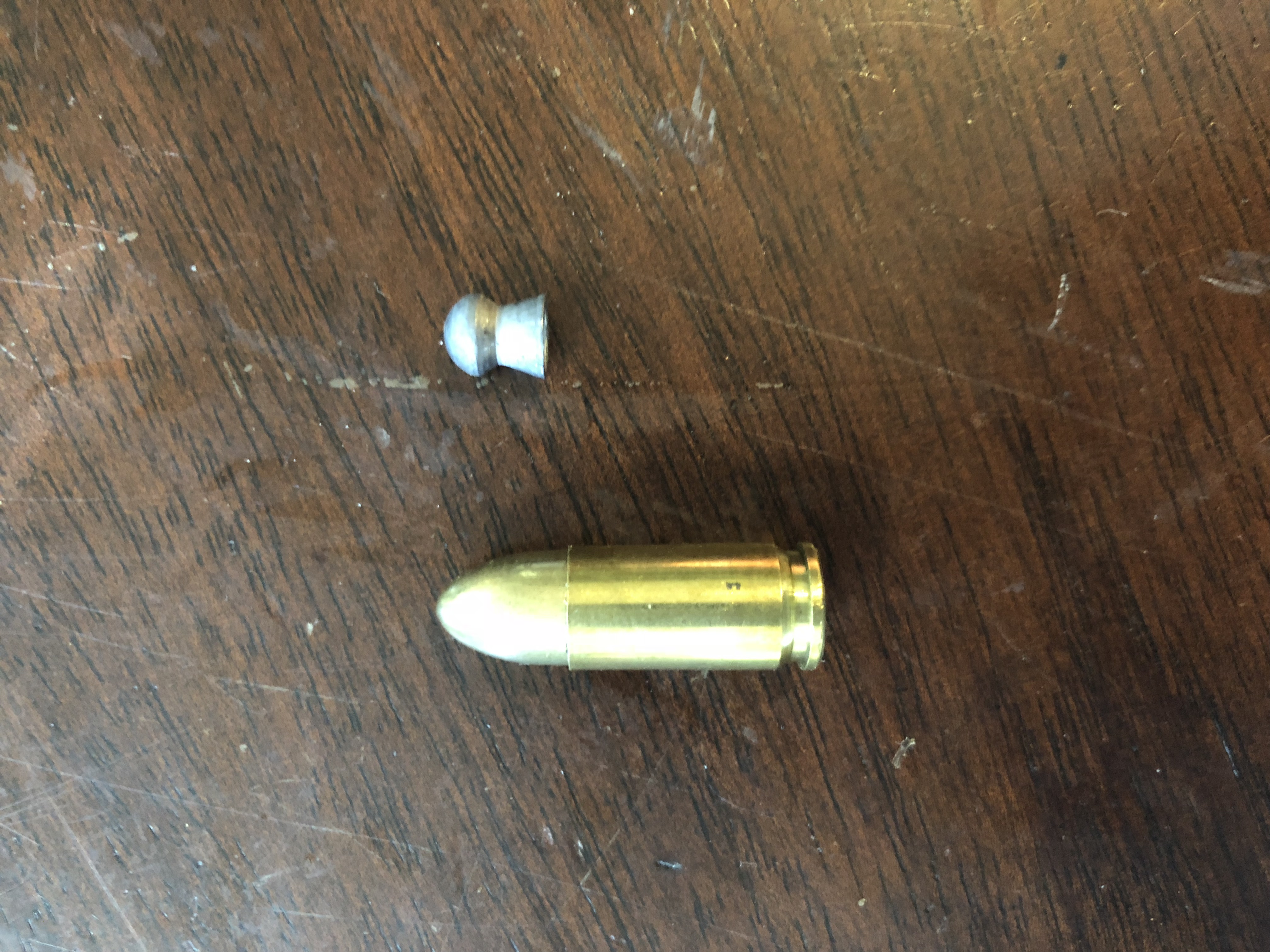
Why the 9mm Luger Is the Smart First Choice for Most Shooters
The 9mm Luger is the smart first choice for most shooters because its 9mm ammo offers the ideal balance of manageable recoil, magazine capacity, and terminal performance for defensive and range use. Unlike heavier calibers, the 9mm’s lighter recoil impulse allows beginners to build marksmanship fundamentals without flinching, while still delivering adequate penetration and expansion from modern hollow points. Its shorter cartridge case also enables compact firearm designs without sacrificing round count, meaning you get a full-size grip in a concealable package. Furthermore, the ammunition cost is consistently lower than .40 or .45 ACP, letting you practice more frequently and build muscle memory faster—practice volume directly translates to real-world accuracy. For these reasons, choosing 9mm ammo simplifies your training, maximizes your budget, and gives you a proven defensive round that you’ll actually carry and shoot confidently.
Balanced Recoil and Control for New Shooters
The 9mm Luger’s recoil impulse is a direct function of its pressure curve and bullet weight, typically 115–124 grains, which produces a sharp but manageable push rather than a violent snap. For a new shooter, this translates into predictable muzzle rise that stays within the sight picture, allowing for rapid front-sight reacquisition without developing a flinch. The cartridge’s case capacity and powder burn rate deliver a consistent rearward force that does not punish a novice’s grip or stance, unlike magnum calibers that induce torque or excessive wrist torque. Because the 9mm’s slide velocity is moderate, the shooter can maintain Handgun Ammo for Sale a firm two-handed hold and track the trigger reset naturally, building muscle memory for follow-up shots. This controllable recoil curve also reduces anticipatory jerking, as the muzzle returns to zero before the next trigger press, making dry-fire practice and live-fire drills feel identical.
Balanced recoil and control for new shooters means the 9mm’s moderate push allows consistent sight alignment, minimal flinch, and smooth follow-up shots, building confidence without overwhelming the user.
Affordable Practice Without Sacrificing Performance
The best part about picking 9mm is that cheap practice ammo still feels like the real deal. You can grab bulk-packed, budget-friendly rounds that mimic your defensive loads closely enough in recoil and point of aim, so training actually translates. Because the cartridge is so popular, manufacturers churn out affordable FMJ options that cycle reliably without jamming your favorite pistol. That means you hit the range twice as often for the same cash, building muscle memory and confidence. You aren’t practicing with weak, unreliable junk—you’re getting consistent, accurate reps that keep your skills sharp without draining your wallet. It’s the sweet spot where volume meets quality.
Affordable practice without sacrificing performance means shooting more for less, with dependable 9mm rounds that keep your skills sharp and your budget intact.
What Do the Numbers on a Box of 9mm Actually Mean?
The numbers on a box of 9mm ammo primarily denote the cartridge’s diameter and case length—typically “9x19mm” for Parabellum, meaning a 9mm bullet in a 19mm case. Beyond that, you’ll see a bullet weight, like 115, 124, or 147 grains, which directly affects felt recoil and muzzle energy. The most critical figure for 9mm ammo performance is the velocity, listed in feet per second (fps), as it determines the round’s trajectory and expansion. Finally, the numerical pressure rating, such as +P, signals higher-pressure loads, which are safe only in firearms rated for them. Understanding what the numbers on a 9mm box mean ensures you select the correct load for your pistol’s barrel and your intended use, preventing malfunctions or damage.
Decoding Bullet Grain Weight and What It Does to Your Shot
Bullet grain weight in 9mm is the actual mass of the projectile—115, 124, or 147 grains being the big three you’ll see. Lighter 115-grain rounds zip out faster, producing a flatter trajectory and snappier recoil, which makes them a favorite for target practice and reactive drills. Heavier 147-grain loads move slower but push deeper, offering a softer, more push-like recoil impulse that many shooters find easier to control for rapid follow-up shots. The 124-grain sits right in the middle, often considered the best all-around balance for defense and range work. Your gun’s barrel twist rate will interact with different weights, so testing a few boxes to see which groups tightest is the only real way to know your winner. This choice directly alters your point of impact too, so expect to re-zero if you switch weights. Ultimately, finding the right grain weight for your 9mm means matching the bullet’s behavior to your specific shooting goal, not chasing what others claim is “best.”
Understanding Muzzle Velocity and Energy Figures
Muzzle velocity, listed in feet per second, tells you how fast the bullet leaves the barrel, directly influencing your point of aim at various distances. A 9mm round rated at 1,150 fps will strike significantly lower than one at 1,250 fps at 25 yards if you don’t adjust your sights. Energy, expressed in foot-pounds, is calculated from that speed and bullet weight, showing the actual work the projectile performs on impact. Rather than chasing the highest number, recognize that velocity and energy figures are interdependent variables that change with barrel length—a shorter pistol can lose 50-100 fps compared to a carbine. Use these figures to compare loads systematically, but always confirm your zeroing with the exact ammunition you intend to carry, since printed numbers come from test barrels, not your firearm.
How to Read Primer Type and Casing Material at a Glance
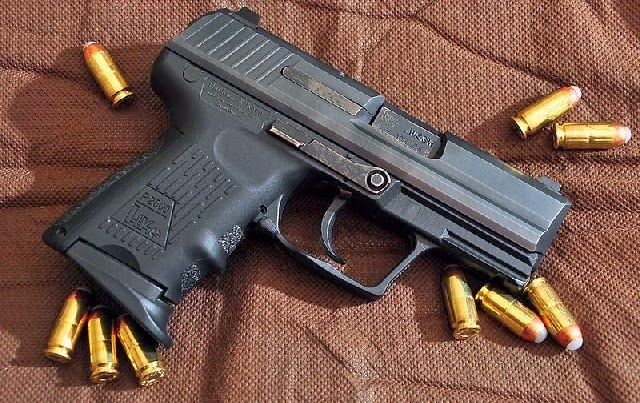
To read primer type and casing material at a glance, first check the headstamp—a brass-colored ring usually denotes brass casing, while a silver or gray ring indicates nickel-plated or steel cases, often with a lacquer seal. For primer type, look at the center of the base: a single, round aperture is Boxer-primed, while two small offset flash holes indicate Berdan. **Reading primer type and casing material at a glance** requires only a quick visual sweep under natural light, as steel cases are magnetic and nickel cases have a distinct shine. Aluminum cases are lightweight and dull gray, but are rarely reloadable, so confirm before sorting.
Q: How can I instantly differentiate brass from steel casing without tools?
A: Hold a small magnet to the base—if it sticks, it’s steel; if not, it’s brass or nickel.
Full Metal Jacket vs. Hollow Point: Which One Belongs in Your Magazine?
For your 9mm ammo, choosing between Full Metal Jacket and Hollow Point is a decision about intent, not just cost. FMJ is your training and practice round, offering reliable feeding and deep, straight-line penetration through Shotgun Ammo for Sale barriers, but it punches a clean hole without expanding. Hollow Points, however, are your defensive choice; they are engineered to mushroom on impact, dumping energy into soft tissue and dramatically reducing over-penetration risk in a home. The key insight is that a 9mm hollow point’s expansion is what compensates for the round’s smaller diameter, making it far more effective for stopping a threat.
Load FMJ for the range, load Hollow Points for your life—mixing them up is a tactical error.
In short, your magazine should carry one type based on mission: practice with FMJ, carry with HP.
When to Choose FMJ for Range Days and Drills
When to choose FMJ for range days and drills comes down to one simple rule: save your expensive hollow points for the street, not the steel. For 9mm practice, FMJ range ammo is your go-to because it’s significantly cheaper, letting you burn through hundreds of rounds without burning your wallet. The full metal jacket’s smoother feed also reduces malfunctions during high-volume drills, keeping your focus on trigger control rather than clearing jams. Plus, FMJ’s deeper penetration into paper targets gives you cleaner, more readable holes for spotting your hits—essential when you’re working on rapid-fire groupings or reload transitions. Save hollow points for carry verification, not repetitive practice.
Why Hollow Points Expand and How That Affects Stopping Power
Hollow points expand because their hollowed nose creates hydraulic 7mm WSM Ammo for Sale pressure upon striking fluid-rich tissue, forcing the bullet’s jacket to peel outward into a wider mushroom shape. This expansion increases the projectile’s frontal diameter, typically from 9mm to over 12mm, which amplifies tissue disruption and accelerates energy transfer. In 9mm loads, that rapid dump of energy creates a larger permanent wound cavity and often leads to faster physiological incapacitation—**the core mechanism behind hollow point stopping power**. Unlike full metal jacket rounds that punch through, an expanded hollow point spends more energy inside the target, reducing over-penetration risk while maximizing damage to vital structures.

Q: Why does expansion improve stopping power in 9mm?
A: Expansion enlarges the wound profile and slows the bullet inside the target, so more kinetic energy is transferred to critical tissue in a shorter distance, which disrupts blood pressure and neural function more effectively than Rimfire Ammo for Sale a narrow, through-and-through wound.
Comparing Flat Nose, Round Nose, and Jacketed Hollow Point Profiles
When comparing 9mm bullet profiles, flat nose, round nose, and jacketed hollow point shapes dictate feeding reliability and terminal effect. Round nose profiles feed most smoothly in pistols but tend to deflect on angled barriers. Flat nose rounds offer a larger meplat, producing a more pronounced wound channel and reliable expansion in soft targets, yet they may snag in some feed ramps. Jacketed hollow points prioritize controlled expansion and stopping power, but their open cavity can clog with heavy clothing, limiting penetration. For defensive carry, the hollow point profile generally wins; for training or competition, round nose ensures function, while flat nose balances penetration and impact.
Flat nose offers barrier deflection and a larger impact area, round nose maximizes feeding reliability, and jacketed hollow points provide controlled expansion—choose based on reliability versus terminal performance.
How to Pick the Perfect Load for Your Specific Handgun
Matching 9mm ammo to your handgun starts with the gun’s intended role, not the box art. For a compact carry piece, seek a 115-grain jacketed hollow point with a proven velocity profile—it cycles short slides reliably and expands consistently at defensive distances. For a full-size range gun, a 124-grain flat-nose or FMJ round offers softer recoil and better accuracy for drills. The critical variable is your barrel’s twist rate and feed ramp; test a box of each weight to see which feeds flawlessly and prints tight groups at 10 yards.
Your gun’s recoil spring dictates the sweet spot—too light a load causes stovepipes, too hot a load batters the frame.
Finally, check your optic or sights: a heavier bullet shifts zero less than a lighter one, so confirm your point of impact before trusting it for carry.
Matching Bullet Weight to Your Barrel Twist Rate
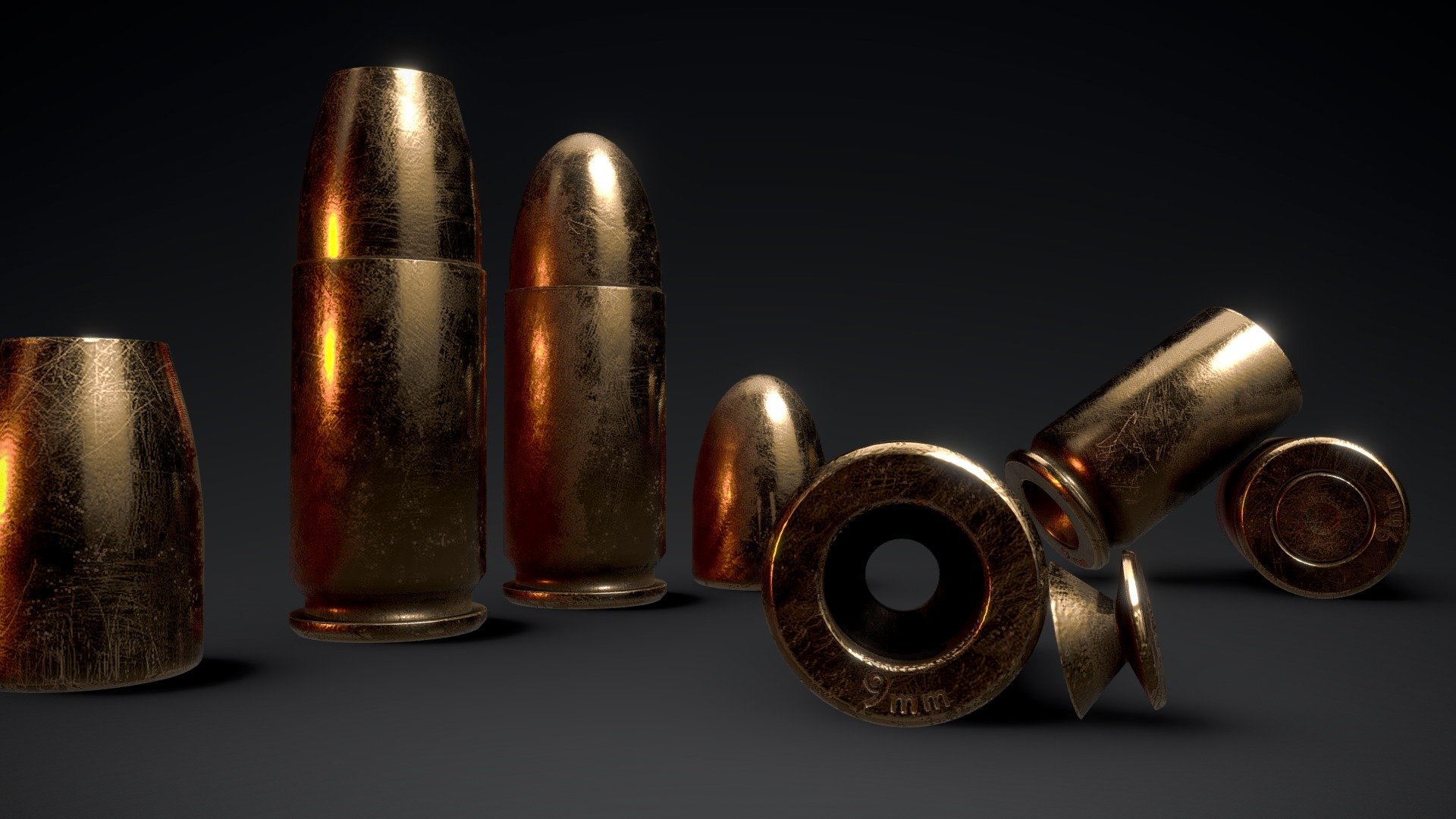
For 9mm, your barrel’s twist rate—typically 1:10 to 1:7 inches—dictates the stabilizing spin imparted to a bullet. Heavier projectiles like 147-grain loads are longer and need a faster twist (e.g., 1:7 or 1:8) to overcome gyroscopic wobble, whereas lighter 115-grain rounds stabilize easily in slower 1:10 barrels. Mismatched weight causes keyholing or erratic accuracy, so check your firearm’s spec before loading. Twist-rate matched bullet weight ensures consistent rifling engagement and optimal ballistic coefficient. For precision, test a 124-grain midweight as a baseline, since it typically suits most factory twists.
- Slower twists (1:10) favor 115–124-grain bullets; faster twists (1:7–1:8) handle 6.5 PRC Ammo for Sale 147-grain subsonics.
- Always verify twist rate via barrel stamp or manufacturer manual—never assume from caliber alone.
- If bullets tumble or group widely, switch to a lighter weight or slower twist first.
Finding Reliable Ammo for Compact vs. Full-Size Pistols

For compact pistols, prioritize ammo proven in short-barrel tests, as velocity loss can cause weak ejection or failure to lock the slide back; test 124-grain loads with a fast-burning powder. Full-size pistols are more forgiving, but you still need 6.5 Creedmoor Ammo for Sale to verify the round cycles reliably under spring tension. Duty-grade hollow points like Federal HST or Speer Gold Dot typically feed best in both, but run at least 200 rounds of your chosen lot through your specific gun. For compacts, check for premature slide bite or FTF on the last round; for full-sizes, focus on consistent accuracy at 15 yards. Never assume a load works—burn‑in testing beats any label.

- Test compensator-equipped compacts with reduced-velocity loads to avoid cycling issues.
- Use a heavier recoil spring for full-size pistols when firing +P ammo in high volume.
- Confirm the bullet’s ogive matches your compact’s feed ramp angle for jam-free chambering.
Signs Your Gun Prefers a Certain Pressure or OAL
Your 9mm will literally tell you when it’s happy with a specific pressure or cartridge length. If you see ejection patterns that are consistent and crisp, with brass landing in a neat 3–4 foot pile, you’ve likely found the sweet spot. Conversely, weak, dribbling ejection or spent casings bouncing off your forehead means the pressure is too low or the OAL is too long, causing the slide to cycle sluggishly. Failures to feed with hollow points usually point to an OAL that’s too long for your chamber’s leade, while flattened primers or hard extraction scream overpressure. Stick to the same OAL across batches and watch for groups tightening—that’s your gun voting yes.
| Symptom | Likely Issue |
|---|---|
| Brass hitting your head | Low pressure or too-long OAL |
| Flattened primers | Pressure too high |
| Hollow-point feed jams | OAL too long for chamber throat |
Practical Tips for Buying, Storing, and Rotating Your Supply
When buying 9mm, prioritize factory-new brass-case Rifle Ammo for Sale rounds from reputable manufacturers, and purchase in consistent lot numbers to ensure identical performance across your stash. Store boxes upright in a cool, dry place—ideally below 75°F with low humidity—inside sealed ammo cans with desiccant packs, avoiding direct floor contact. Rotate by writing the purchase date on each box and using a first-in, first-out system, always shooting the oldest stock at the range. Check for green corrosion on brass or primer-seal cracks before loading, and discard any rounds with visible setback from repeated chambering.
Never mix old and new lots in the same magazine during practice, as point-of-impact shifts can mask real accuracy issues.
Cycle through your defensive 9mm every six months, replacing it with fresh stock, and keep a separate, clearly-labeled training reserve you can burn through without hesitation.
How Many Rounds to Keep on Hand for Practice and Protection
For 9mm practice and protection, separate your stockpile by purpose. Keep a minimum of 500 rounds for defensive use, sealed and untouched, to cover magazine reloads and potential malfunctions during a crisis. For practice, calculate your monthly range frequency—typically 200–300 rounds per session—and multiply by three months, yielding 600–900 rounds as a working reserve. This buffer absorbs shipping delays and price spikes without tapping your defense stash. Rotate by shooting the older practice lot first, then replacing it with fresh ammunition. If you train weekly, scale practice to 1,200 rounds quarterly. Always log your inventory so you never dip below the 500-round protection baseline, regardless of practice consumption.
Maintain 500 defensive rounds as a non-negotiable floor, plus a 3-month practice buffer of 600–900 rounds, rotating oldest stock first to ensure reliability and readiness.
Best Ways to Store Boxes to Avoid Corrosion and Misfires
Keep 9mm ammo boxes in a cool, dry place—think a closet or interior room, not a garage or basement. Always seal the original cardboard boxes inside a climate-controlled ammo can specialty sports with silica gel packs, which draw out humidity before it can corrode brass and primers. Stack boxes flat, never on edge, to prevent bullet setback and powder shifts that cause misfires. Rotate your supply by taping the purchase date on each box, then shooting the oldest first. *Even factory-sealed ammo breathes over time, so check for green patina or loose primers every six months, swapping out any questionable rounds immediately.
How to Tell When Old Ammo Is Safe to Shoot or Needs Replacing
Check 9mm cases for corrosion, verdigris, or deep dents around the primer and case mouth, as these compromise pressure integrity. Test rim and primer by pressing with a punch—if the primer is proud or loose, discard the round. A firm bullet seating (no wobble) and a bright, un-cracked case neck indicate safe ignition. Smell for ammonia or vinegar, which signals decomposed powder. If the ammunition was stored in a hot garage or damp Ammunition for Sale basement for over a decade, treat it as suspect; fire one test round from a distance and inspect for squib loads or erratic recoil. When in doubt, pull the bullet and recycle components.
Old 9mm is shootable only if cases are corrosion-free, primers are seated flush, and bullets resist torsion; any doubt means dismantling, not firing.